
How to Wash Windbreaker Jackets Without Damaging Them
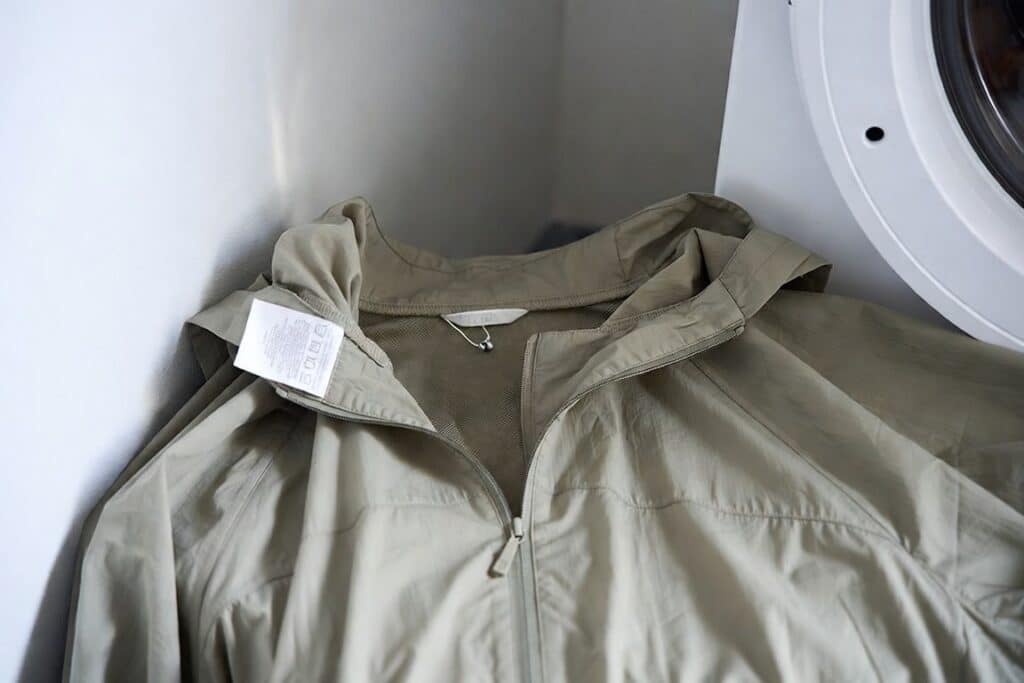
If you are wondering how to wash windbreaker jackets, the safest place to start is the care label.
Some windbreakers can handle gentle home washing. Others have water-repellent coatings, technical fabrics, or shape-retention details that can be damaged by the wrong detergent, high heat, rough spinning, or aggressive stain treatment.
Quick answer
If you are searching for how to wash windbreaker jackets, the short answer is that you can usually wash a windbreaker jacket at home if:
- the care label allows machine washing
- the jacket is lightly soiled
- you use mild detergent
- you choose a gentle cycle
- you avoid bleach, fabric softener, and high heat
- you air-dry it properly
If the care label says dry clean only, the jacket has a delicate coating, or you are dealing with stubborn stains, professional cleaning is usually safer.
Can you machine wash a windbreaker jacket?
Usually, yes, if the care label allows it.
Most windbreakers are made from lightweight synthetic fabrics such as nylon or polyester, and many can be machine washed on a gentle cycle. The problem is not usually the water. It is the combination of harsh detergent, fabric softener, rough washing, and heat, all of which can affect the jacket’s finish and performance.
If the jacket has a water-repellent treatment, gentle washing matters even more.
Before washing, check these 4 things first
1. Read the care label
Read laundry symbol table from Bosch Official Website
This matters more than general advice online. Some windbreakers are machine-washable, while others have coated or technical fabrics that need more careful handling.
2. Check whether the jacket is only wet or actually dirty
If it was only exposed to light rain, it may not need a full wash yet. In many cases, wiping it down and air-drying it fully is enough.
3. Look for stains and friction points
Check the:
- collar
- cuffs
- sleeve edges
- pocket openings
- zipper area
- inner lining near the neck
These are usually the first places where dirt and body oils build up.
4. Check for special fabric features
Some windbreakers have:
- water-repellent coatings
- lightweight technical shell fabric
- printed or bonded details
- mesh lining
- shape-sensitive trims or elastic
These features can be damaged by overly hot water, strong detergent, or dryer heat.
How to wash windbreaker jackets safely at home
If the care label allows home washing, this is the safest general method. For most readers searching how to wash windbreaker jackets, this is the main step-by-step section they need.
Step 1. Zip it up and empty the pockets
Close the zipper, fasten any buttons or velcro, and empty all pockets. This helps the jacket keep its shape better during washing.
Step 2. Spot-clean obvious stains first
Use a small amount of mild detergent diluted in water and dab gently at the stained area with a soft cloth. Do not scrub aggressively.
If the stain is stubborn, do not keep rubbing harder. That is when fabric damage becomes more likely.
Step 3. Turn the jacket inside out if appropriate
This can help protect the outer surface, especially for lighter technical fabrics or printed finishes.
Step 4. Use mild detergent only
Choose a gentle detergent. A detergent made for delicate or technical outerwear can be a good option if you already have one. Avoid:
- bleach
- strong stain removers unless clearly fabric-safe
- fabric softener
- harsh whitening products
These can affect coatings and fabric performance.
Step 5. Wash on a gentle cycle
Use:
- cold or cool water
- gentle cycle
- low spin where possible
- wash the jacket alone or only with similarly lightweight items
A laundry bag can also help reduce friction if the jacket fabric feels thin or delicate.
What to avoid when washing windbreaker jackets
A lot of windbreaker damage happens not because people wash them, but because they wash them too harshly. This is one of the biggest mistakes people make when learning how to wash windbreaker jackets at home.
Avoid these mistakes:
- hot water
- strong detergent
- bleach
- fabric softener
- rough scrubbing
- twisting or wringing the jacket hard
- high dryer heat
If the jacket has a performance coating, these mistakes can reduce the finish or change how the fabric feels.
How to dry a windbreaker jacket properly
Air-drying is usually the safer option.
After washing:
- gently press out excess water
- do not wring the jacket aggressively
- hang it in a well-ventilated area or lay it flat if the label suggests it
- keep it away from direct high heat
- let it dry fully before storing
This is especially important in Singapore, where humidity can leave jackets feeling dry on the outside but still damp inside if they are stored too soon.
How to protect the water-repellent finish
Many windbreakers are not fully waterproof, but they do have a water-repellent finish that helps light rain bead off the surface.
To help preserve that finish:
- avoid fabric softener
- avoid bleach and harsh detergent
- avoid high dryer heat unless the care label clearly allows it
- do not over-wash the jacket unnecessarily
If the jacket no longer repels water well after repeated use and washing, it may need reproofing with a suitable outerwear product. If you are unsure, professional cleaning may be the safer route.
Can you put a windbreaker in the dryer?
Usually, it is better not to unless the care label clearly allows it.
High heat can damage coatings, affect shape, or shorten the life of lightweight outerwear. If in doubt, skip the dryer.
When home washing may not be the best idea
Home washing is not always the safest choice.
You should consider professional cleaning if:
- the care label says dry clean only
- the jacket has stubborn or old stains
- the fabric feels delicate or coated
- the jacket has shape-sensitive construction
- you are unsure whether the finish can handle normal washing
- the jacket is expensive and you do not want to risk damage
How often should you wash a windbreaker?
You do not need to wash a windbreaker after every wear.
A practical rule is:
- wipe it down and air it out after light use
- wash it when there is visible dirt, odour, sweat buildup, or staining
- clean it before long storage if it has been worn during a trip
Over-washing can wear down the finish faster, so it is better to clean it when needed, not automatically.
Windbreaker cleaning in Singapore, what makes it different?
In Singapore, storage conditions matter.
Even if you do not wear a windbreaker often, humidity can lead to:
- musty smells
- stale lining odour
- hidden moisture problems
- older stains setting deeper over time
That means some jackets need attention not because they were heavily worn, but because they were stored in humid conditions after partial use.
If you are not sure, professional cleaning can be safer
If the windbreaker is delicate, stained, or labelled for dry cleaning, it is usually better to play safe.
For Eazihome’s current public winterwear pricing, windbreaker cleaning is listed by size:
- Windbreaker (S): from $20 laundry and iron, or $22 dry clean and iron
- Windbreaker (M): from $22 laundry and iron, or $24 dry clean and iron
- Windbreaker (L): from $24 laundry and iron, or $26 dry clean and iron
Seasonal pricing may vary depending on the public winterwear rate period.
Common questions
Can I machine wash a windbreaker jacket?
Yes, if the care label allows it. Use mild detergent, a gentle cycle, and cool water.
Can I use normal detergent on a windbreaker?
A mild detergent is safer. Strong detergents, bleach, and fabric softeners are best avoided, especially if the jacket has a water-repellent finish.
Can I hand wash a windbreaker instead of machine washing it?
Yes. Hand washing can be a safer option for lighter or more delicate windbreakers, as long as you use cool water and mild detergent.
Why does my windbreaker still smell after washing?
It may not have dried fully, or the smell may be coming from deeper buildup in the lining. In Singapore, humidity makes this more common.
Should I wash a windbreaker after every wear?
Not usually. If it is only lightly used and not dirty, wiping it down and air-drying it may be enough.
When should I send a windbreaker for professional cleaning?
If the label says dry clean only, the stain is stubborn, or the fabric feels delicate or coated, professional cleaning is usually the safer choice.
Helpful references
If you want more detail on care labels and fabric-safe washing basics, these references may help:
Useful next pages
Final takeaway
If you want to know how to wash windbreaker jackets safely, the main rule is simple: check the care label first, wash gently if home washing is allowed, and avoid heat, bleach, and harsh treatment. If the jacket has delicate fabric, a technical coating, or stains that are not coming out easily, professional cleaning is often the safer option. In Singapore, proper drying and storage matter just as much as the wash itself.